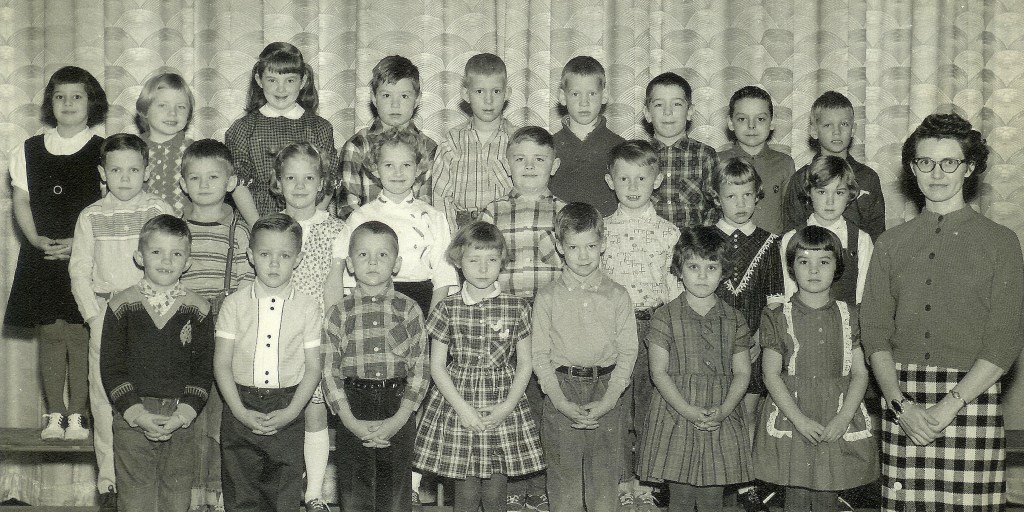
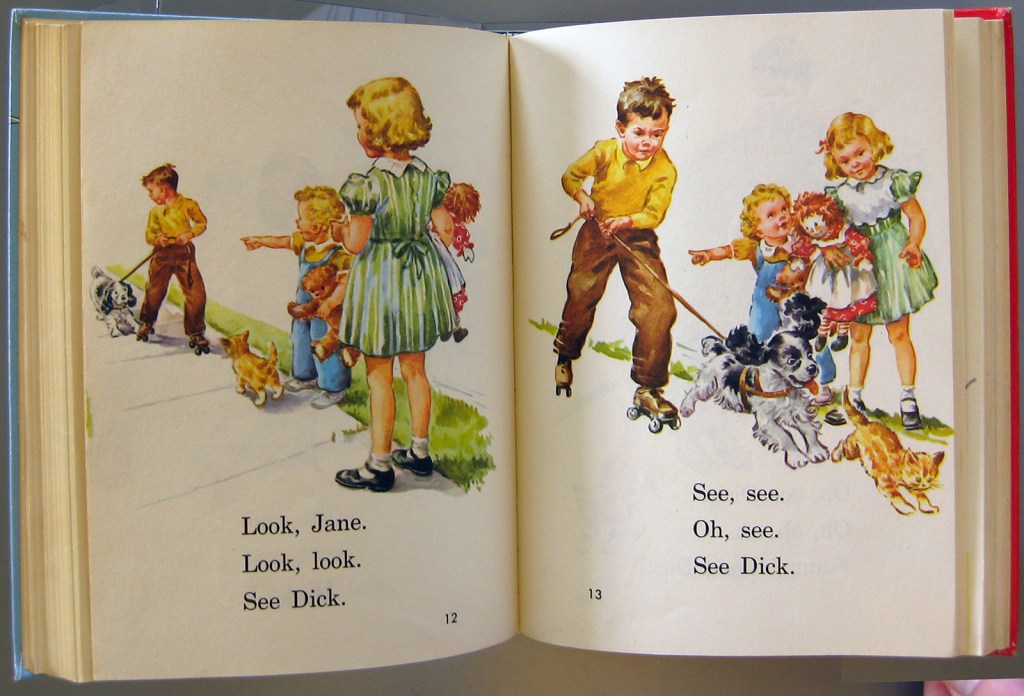
July 18th………..“DID YOU HAVE A GOOD EXPERIENCE IN YOUR FIRST GRADE YEAR OF SCHOOL”? WHY? AND WHO WAS YOUR TEACHER IN THAT FIRST FULL YEAR OF GRADE SCHOOL EDUCATION”??
POEM – “Back In The Year”. Created by N. Elliott Noorlun. A tribute to my loving First Grade Teacher, Mrs. Loretta Wiehr.
Back in the year, of ’61, When I was a tiny, Farmer’s son,
I reveled in the joys, Within First Grade, With my beautiful teacher, I had it made!
All it took was her smile, To make my day, To repay her I’d try, In every way,
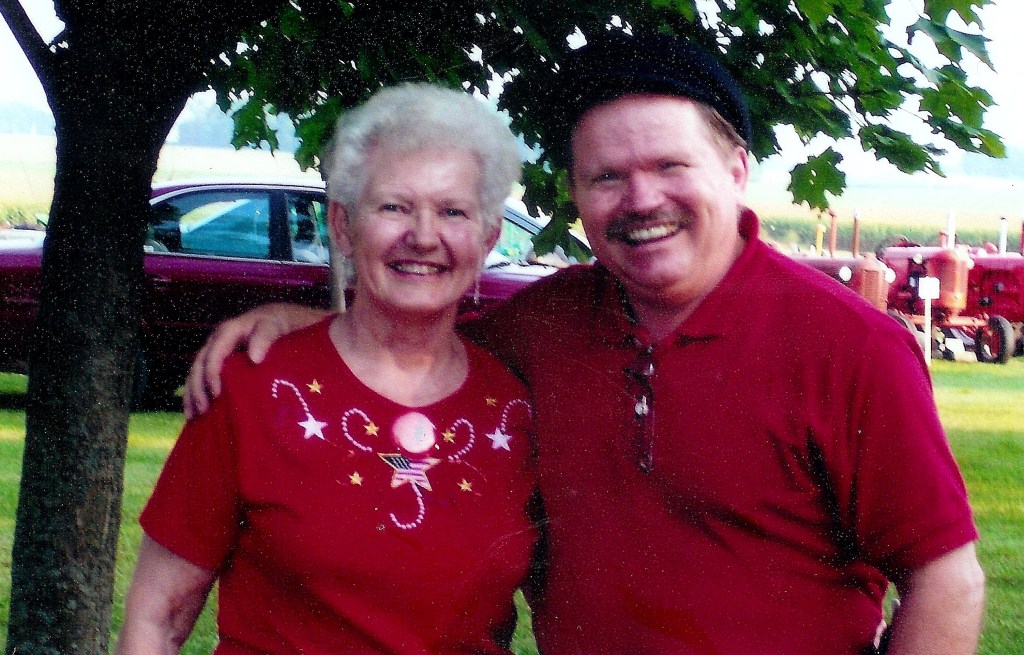
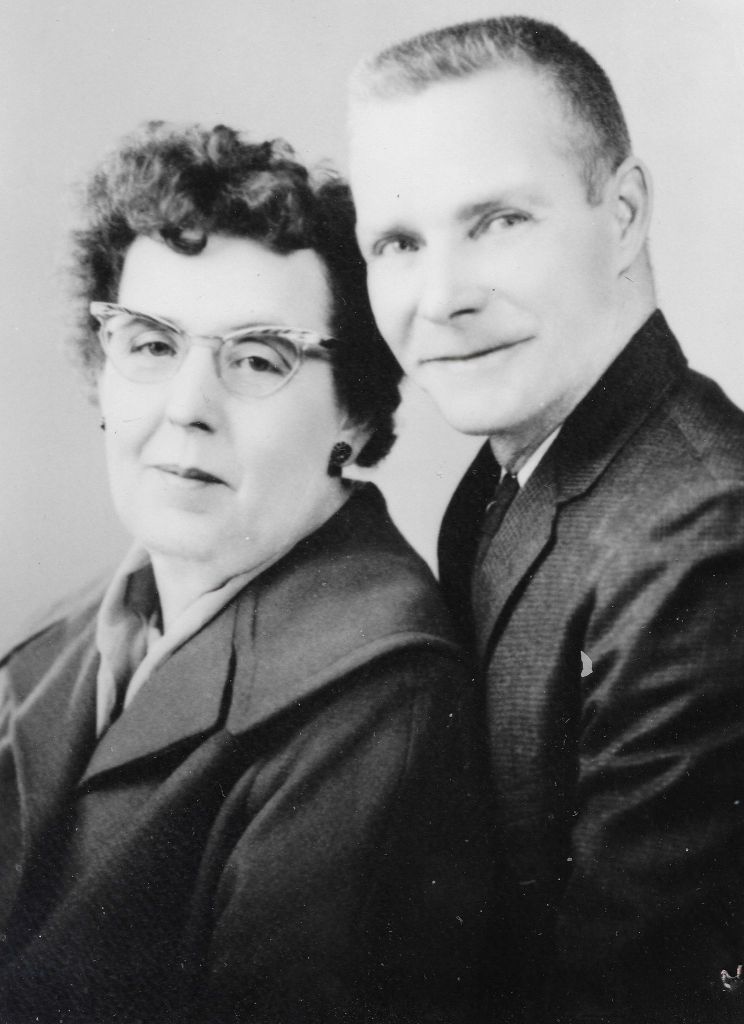
Elliott (on right) had the thrill of reconnecting with Mrs. Wiehr in 2005 at the Farming Of Yesteryear Threshing Festival near his hometown of Kiester, Minnesota.
To work hard and learn, Be obedient and kind, For in this dear lady, I truly did find,
Inspiration to relish, This experience called school, Where love excelled, And joy was the rule.
Dear Loretta Wiehr is celebrating her 90th birthday in July of 2019.
July 17th……….“WHAT WAS ONE OF YOUR FAVORITE TELEVISION SHOWS AS A LITTLE BOY ON YOUR FARM IN SOUTH CENTRAL MINNESOTA”?
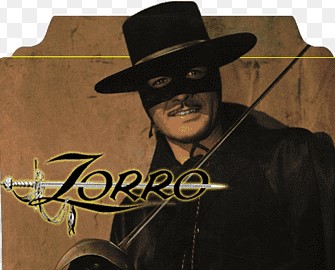
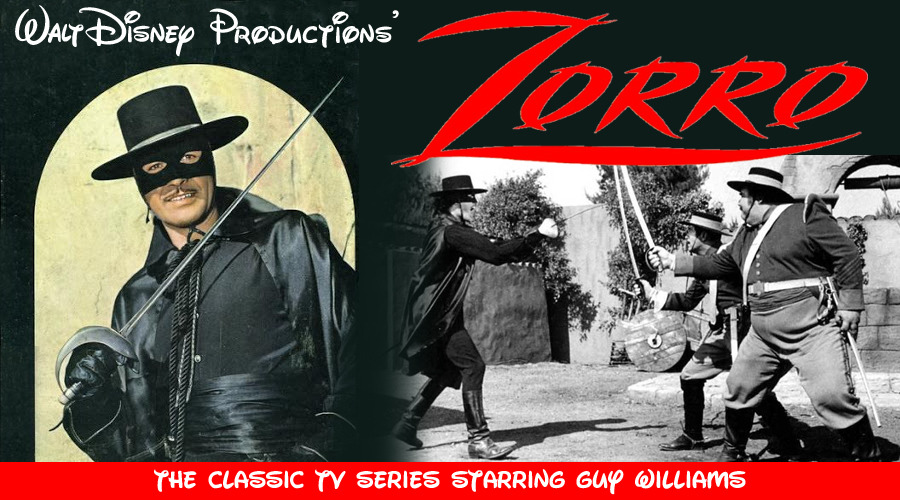
“Zorro” and I were birthday twins!! Well, o.k., so the actor ( Mr. Guy Williams) who played the part of “Zorro”, on “The Wonderful World of Disney” each Sunday night……he and I were both born on January 14th of our respective years…..namely, 1924 and 1954.
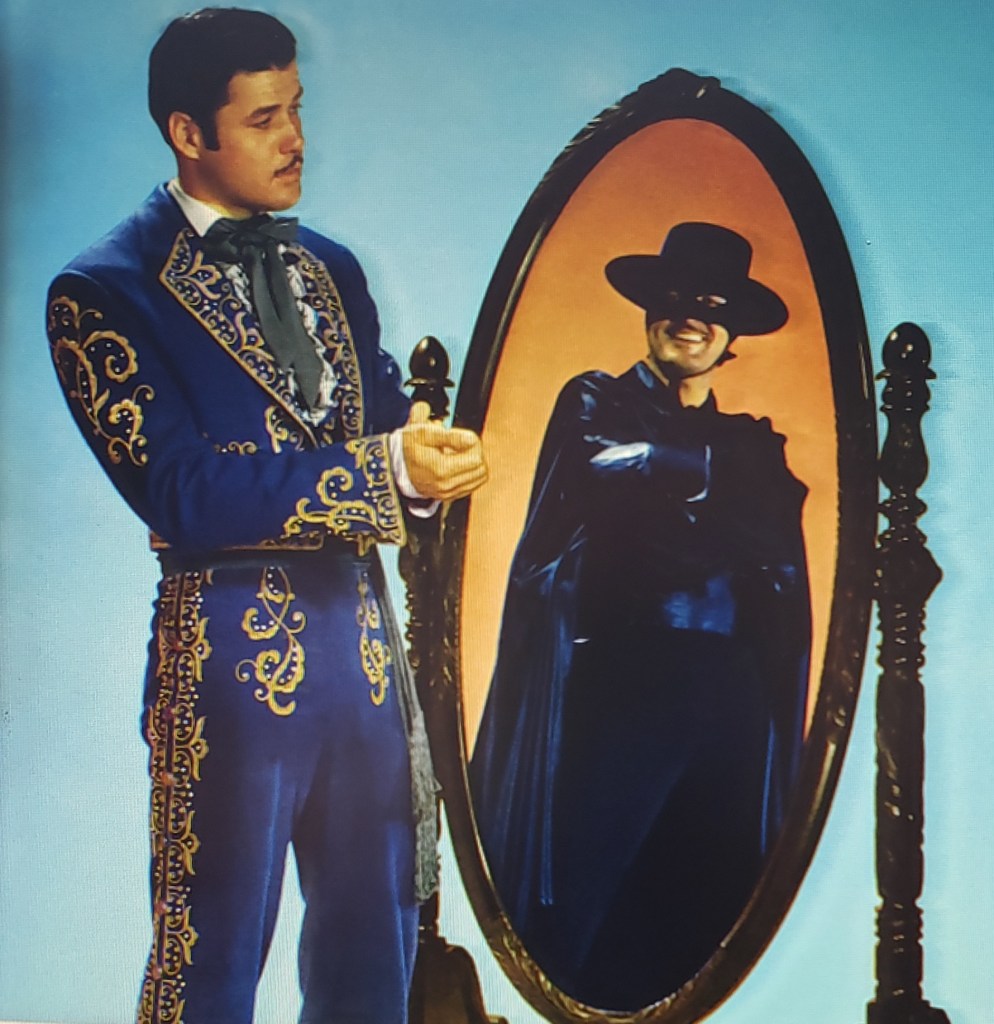
From the scintillating strum of Spanish guitars, to the shrill slicing of the air by his sharp rapier sword (“espada ropera”, in Spanish), I was completely entranced with the wonder and handsome swagger of this swashbuckling hero of early California history tales. Although he was a master swordsman in his native Spain, Zorro (meaning “the fox”) chose to cloak his true identity in the guise of a timid, milquetoast personality of daily life as Don Diego De La Vega, the son of a wealthy cattle baron.
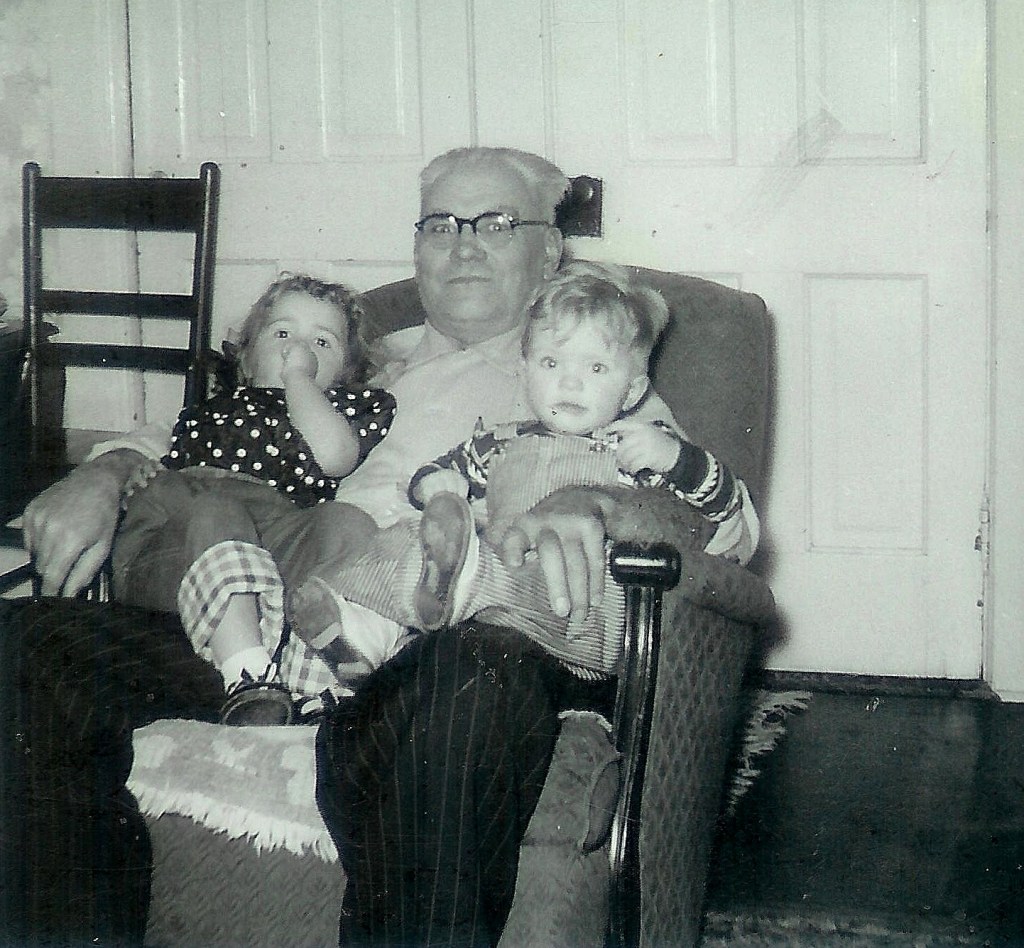
Mini-Zorro, Elliott (on right), is sitting right next to his imaginary horse, “Tornado”. O.k., so it was the arm of the easy chair. He ‘rode’ that arm every Sunday evening watching the Disney hero named “Zorro” on their little black n white TV.
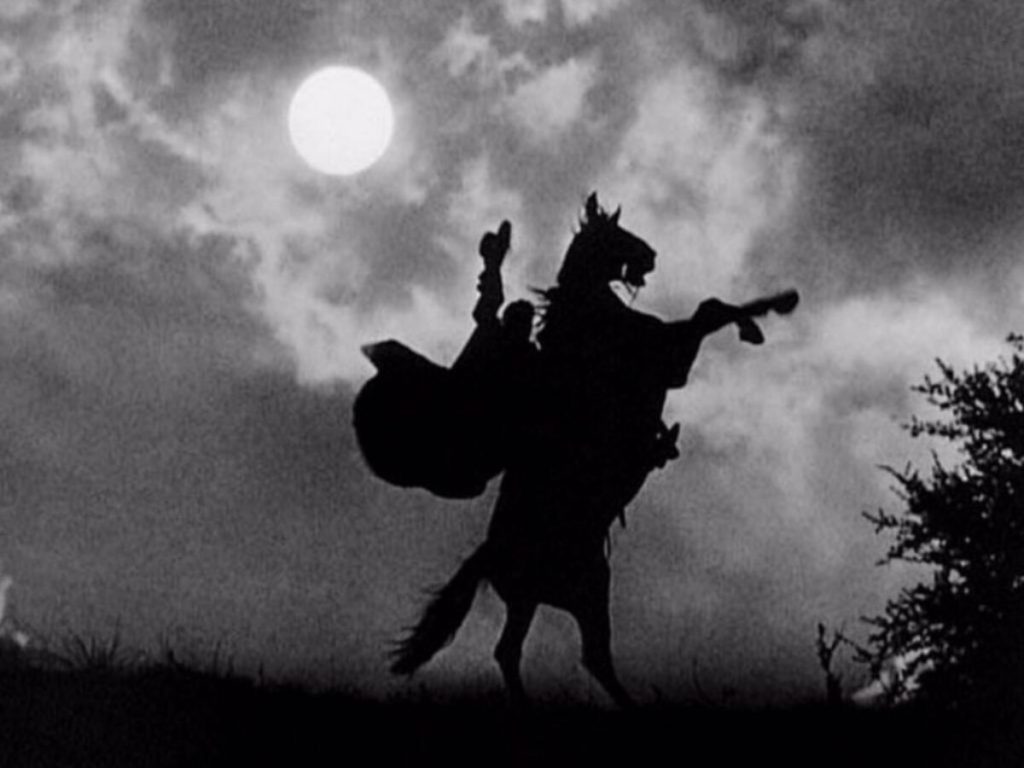
When an enemy of justice reared his ugly head, Zorro, by the cover of night, would costume himself in the most handsome black satin outfit topped by his black sombrero cordobes hat and a narrow black mask to conceal his true identity. Below the family hacienda, was a deep and secret cavern that held Zorro’s handsome black stallion, “Tornado”, as well as his ever-faithful servant, Bernardo. Mounting his steed, Zorro (alias Don Diego De La Vega) would then pull the glorious, glistening ebony stallion to a vertical rear-legged stand, and, with a wave, would be off in a flash to attack, destroy and/or turn the course of evil to either surrender, flee or turn themselves in to proper authorities.
The closest thing I had for my own imaginary horse,”Tornado”, in those days, was the soft arm rests of our family’s easy chair that sat next to the free-standing furnace in our little Living Room. And, the closest thing this five year old (in 1959) had to a rapier, was a Willow-switch I had cut from a tree in the woods. Besides all that, the closest “black satin” Zorro cape I could find was one of Mom’s large bath towels. But, never you mind, there I was ‘riding’ my own imagination’s version of the wild equine named “Tornado” upon the cushioned arm of our easy chair. Sunday nights were my tiny time of adventure in front of our rather small black n white TV set while rescuing fair maidens in distress and putting the fear of justice into the hearts of dastardly ne’er-do-wells.
My willow switch branch, as my razor-sharp rapier, was whipping the air of our farm house Living Room in the form of the letter “Z”; just like Zorro would make across the uniform chest of the terrified, wide-eyed, fat old Sergeant Garcia.
Everything about Zorro, and his quiet personage of Don Diego De La Vega, appealed to my little boy fantasy of someone strong, handsome, virile and who dressed like royalty in his various weekly attire.
I, too, wanted to be “The Fox (Zorro)” in my little boy playtimes there on our farm. Even though I wasn’t Spanish by blood, I sure identified with this handsome hero of a Norwegian Farmer’s Son!!!
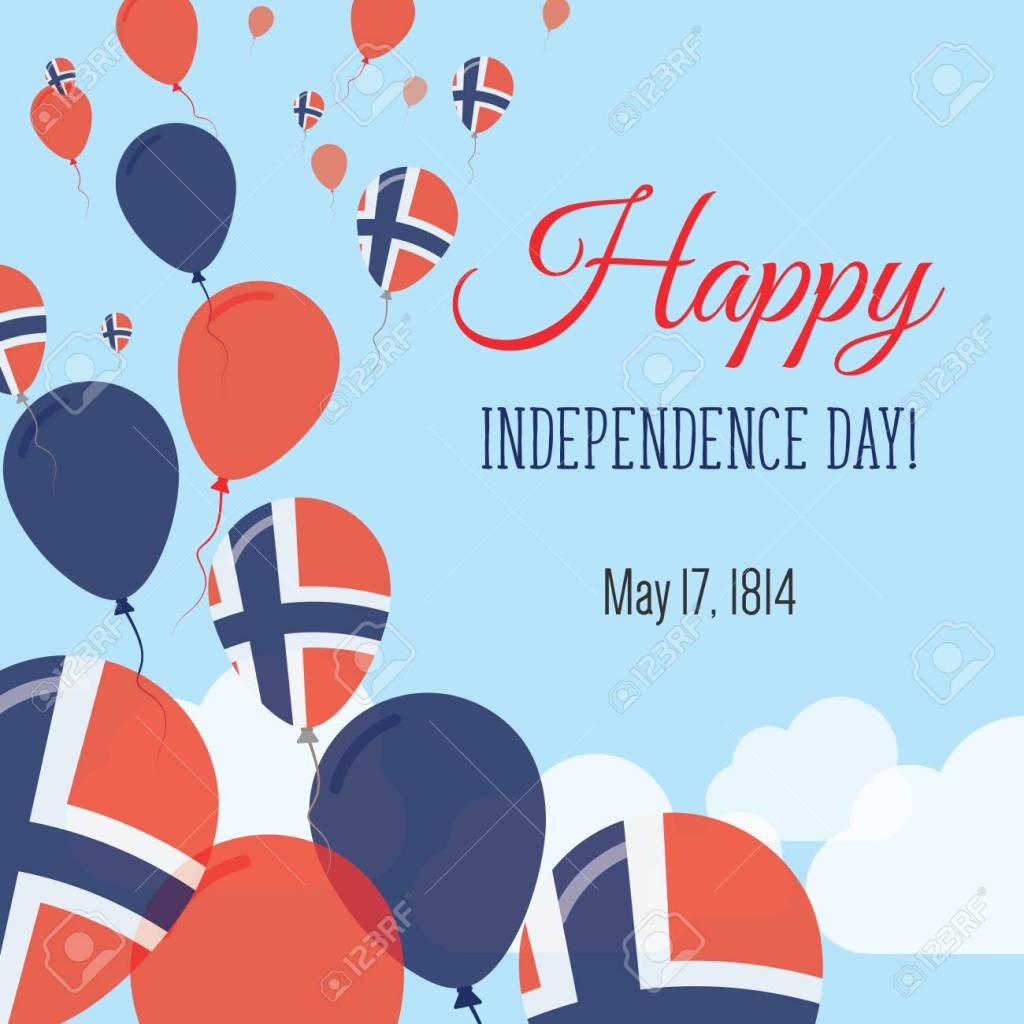
July 16th………..SONG – “Home On Dah Fjords”. I cannot lay claim to this as my creation, but I want to have fun in sharing it here. Most of you are familiar with the tune, “Home On The Range”, ya? Well, these fun verses are to be sung in a broken English/Norwegian accent for a good time. For my younger readers, a fjord (pronounced “feeyord“) are long reaches of ocean bays that, in Norway, are encased in valleys of steep rock cliffs and mountain ranges. Instead of July 4th, for American Independence Day, the Norwegians celebrate the 17th of May (thus, Syttende Mai) as the date, in 1814, when they gained independence from Sweden. Have fun!!! 😉
O give me a home, Vair da Norveejuns roam, Vair dah Torsk und dah Lutefisk play.
Vair seldom iss heard, A non-Norveejun verd, Becoss it iss Syttende Mai.
CHORUS:
Home, home on dah fjords, Vair dah Torsk und dah Lutefisk play.
Vair seldom iss heard, A non-Norveejun verd, Becoss it is Syttende Mai.
2. Tooday iss dah day, Dat dah Norskis all play, Day vill chew all dah snoose day can find.
Day’ll drink lots of Glogg, Und day’ll yump like a frog, Becoss it shure helps dem unvind.
CHORUS:
Home, home on dah fjords, Vair Fattigmann iss a beeg treat!!
We make Rommegrot t’ick, Til vee almost get sick, Und dat Lefse shure can not be beat.
3. Vhy don’t yew und I, On dah Syttende Mai, Take a day off vit dah rest of dah bunch.
Ven it’s brudderhood veek, Instead of a Greek, Vhy not take a Norski tew lunch!!! 😉
CHORUS
Home, home on dah fjords, Vere dah oil vells und gammelost are.
So happy I’ll be, In my old Model T, It’s dah best doggone Henry Fjord car!! 😉
July 15th……..“DID YOUR CHILDHOOD HOMETOWN IN MINNESOTA HAVE A POLICE FORCE? WHO WERE THEY AND WHAT WERE THEY LIKE?
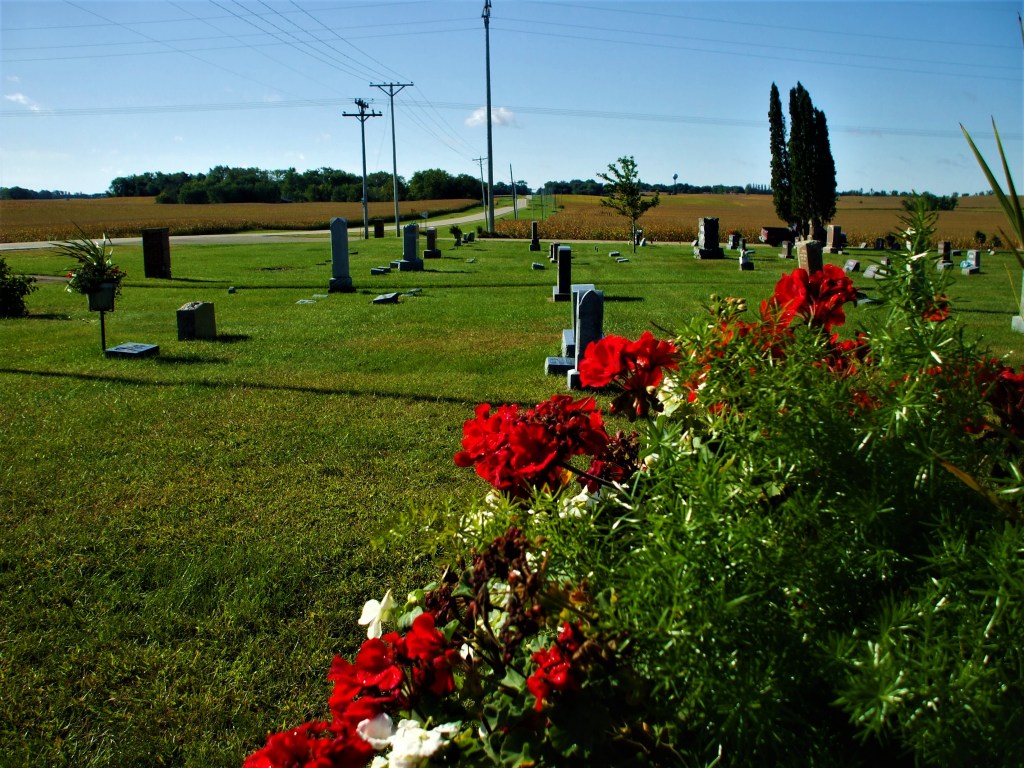
“Fairview Cemetery” (looking south) along Highway 22 with Elliott’s hometown of Kiester, Minnesota on the right in the distance. See the town water tower peeking above the tree-line?
Radial spikes of late afternoon amber sunlight speared their way through cloud openings; as if God, Himself, was peeking upon the remnants of this lovely Minnesota day that was on the wane.
Orville Thorson, our village ‘Peacemaker’, was on patrol and coasting down the ‘Kiester Hills’ on Highway 22 as he passed “Fairview Cemetery” on his way back into town. Between he and the early evening sunset, numerous headstones of our town’s pioneer heritage stood in somber silhouette against that golden glow to mark the resting place of some of the fine citizens that had made their life among the fecund farmland that surrounded their current repose. Truly it was a ‘fairview’ for families to have placed their loved ones here as prairie winds animated the leaves of surrounding cornfields that sang a rasping song of tribute to these dear loved ones of the past.
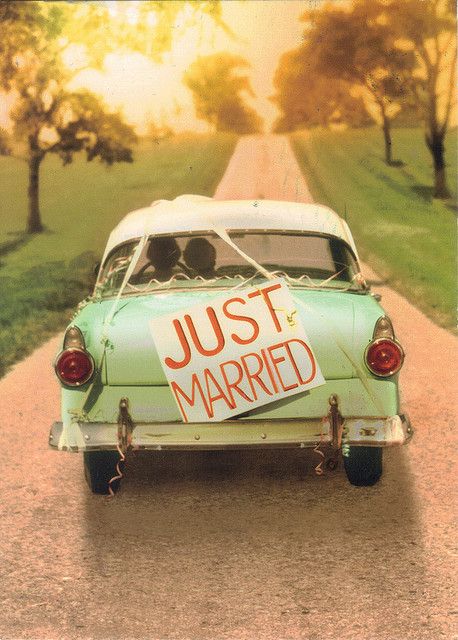
With our town’s distant water tower aloft of the city tree-line, like a beacon in sight, our dear ‘Officer Of The Peace’ rolled up behind a Ford with a young couple inside. With their hood up, beckoning for help, it was obvious that these young lovebirds were in need of some compassion in a mechanical revival of their Ford. No firearm did he carry and with only a police service cap and a badge on a plain shirt making up his ‘uniform’, Orville pulled up behind this immobile vehicle and took a quiet walk up alongside to peer in the driver’s window. “Evening folks! Any way I can help out”? , said gentle-hearted Orville. To which the young groom responded, “Thanks for stopping, Officer! This old car has lived up to its acronym of aFord…..Found On Road Dead“!!!! Upon hearing the young man’s response, the three of them had a fun chuckle together, cementing a new friendship immediately. These young folks, just starting out in life together, needed some help in more ways than one…..mechanically and also a safe place to stay. Since our town’s old hotel was no more, Mr. Thorson easily took compassion upon this young duo and invited them to his own home for a night or two, giving them the blessings of his own master bedroom……to the raised eyebrows of his beloved wife, Bessie! 😉
Bessie & Orville Thorson
Life in our berg of Kiester was enriched by the presence of Orville Thorson and his Deputy Rodney Halverson, Sr.. Our precious ‘Chief Of Police’ owned a smile and a strong, sincere gentleness that appealed to young and old alike. I can recall many a balmy “Lucky Bucks” Saturday evening in town as Orville mingled happily among farmers, businessmen and their families who filled the sidewalks and stores of our village in fellowship while waiting for the 9pm Fire Siren to call all into a nearby store to have the merchant read off the name of that week’s “Lucky Bucks” money giveaway. Our favorite policeman rejoiced right along with the rest of us if the lucky farmer ‘hit the jackpot’ that evening.
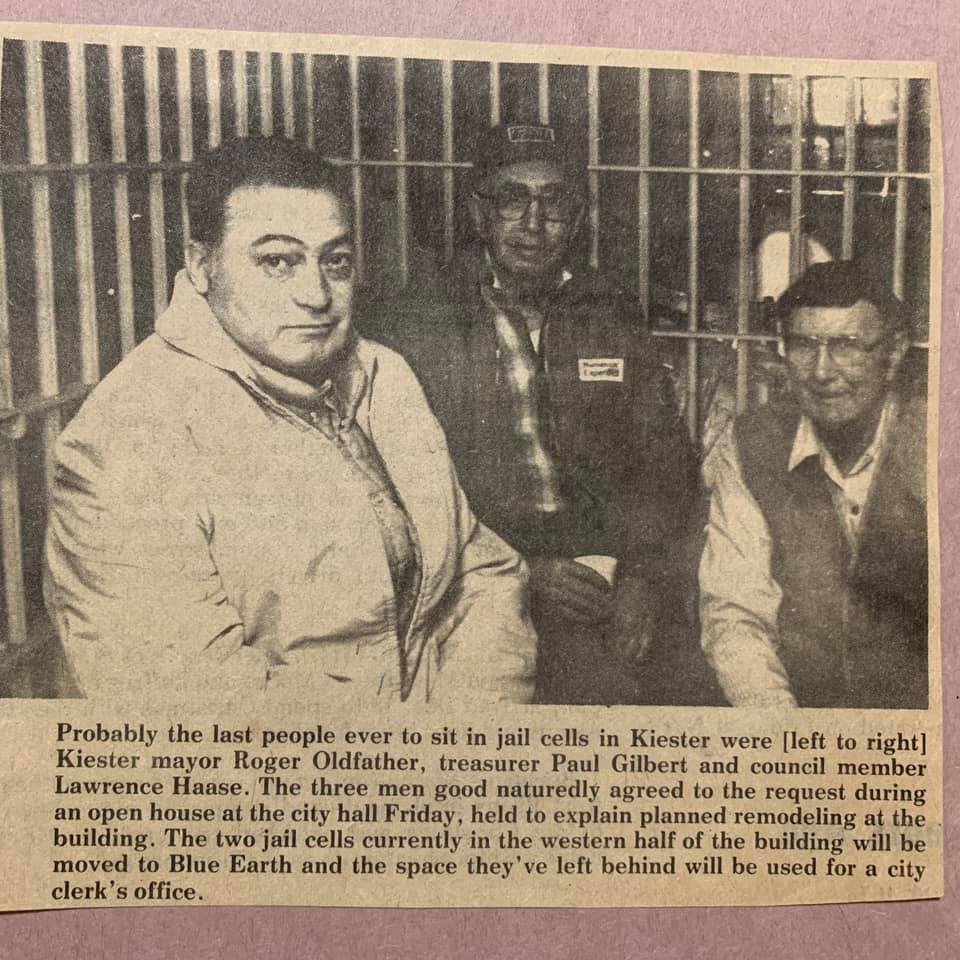
Three local townfolk visit Kiester’s very lonely jailhouse. 😉 L to R…Roger Oldfather, Paul Gilbert and Lawrence Haase.
The New Testament Book of Matthew Chapter 5 and Verse 9 come into my ponderings as I revel in the truth that the tenets of the Christian faith were very strong in our community relating to this godly verse. “Blessed are the peacemakers: for they shall be called the children of God.” With the high percentage of our farming culture, in those days, being Christian, it was only natural that each man, woman and child was inculcated with godly, Biblical principles of honoring the law of our land because we purposefully chose to honor the Law Giver Himself, first………….our Lord Jesus Christ. As a result of each man’s self-governing his life in a righteous manner, Orville Thorson, as a pleasant result, only had to write out about three violation tickets in his years in Kiester. Most of the time, when a youngster acted up in a negative mannerism, Orville, like a father, would just ‘chew out’ young offenders with the admonishment, “Don’t do that again, or I’ll tell your parents”!!! Later in life, our beloved Mr. Thorson received letters of thanks from those same youngsters who gave him credit and honor for sending them down the ‘Good Road’ of life.
Although Orville drove his own family car on patrols, this scene evokes the love we all had for our small town “Peace Officers”.
Our very own ‘Andy Griffith-type’ Sheriff saw to it that our little community’s only jail was empty and lonely since it never contained a prisoner during Orville’s tenure as our Law Officer. What a peaceful testament to his loving overseeing of our community’s needs over the years.
Matter of fact, since our little town couldn’t afford the capitol expense, Orville drove his own family car while on patrol and only carried his pistol on night patrol……..just in case. I’d say he had the same life motto as our dear mother who’d drill into us Noorlun kids with………“It’s better to HAVE it and not NEED it, rather than to NEED it and not HAVE it”!! 😉
Plowin’ for the people he loved in our berg of Kiester!!! That was our Orville Thorson.
Community service did not end with putting down his police badge and service cap in the evenings, Mr. Thorson often donned the cap of Kiester’s Water Commissioner, Road Repairman and even, in winter’s onslaught, drove a snowplow to help keep our village streets cleared and also the nearby highways leading into town.
How blessed we all were to have this excellent, integral man amongst the loved ones of our little village!! Mr. & Mrs. Thorson raised a fine family together who, like the rest of us, lived within a godly era where small farms and small towns, guided by the Holy Spirit’s guidance of our familial Christian upbringing, respected The Law Giver and therefore, respected his local ‘Peacemaker’ who wore no gun and just a service cap and badge. Blessings to the memory of Orville N. Thorson (and his family) from this Norwegian Farmer’s Son!! 😉 ><>
Orville (on left) and Bessie with some of their handsome family in Kiester days.
July 14th………..“DID YOU HAVE A NEARBY FARMER WHO WAS MORE FAMILY THAN JUST NEIGHBOR”?
POEM – “Harry B. n Me”. Created by N. Elliott Noorlun. January 28th, 2013. Sharing here about our jovial and giant-hearted farm neighbor, Harry Bauman. This dear soul of a man was beyond generous to our farm family over the many decades we knew him. And laugh? Ohhh myyy could Harry EVER laugh!!! His whole body would shake with joy in his laughter to the point he’d have to grab his big bandana handkerchief to blow his nose and wipe the laughing tears from his eyes. We loved him dearly!!! 😉
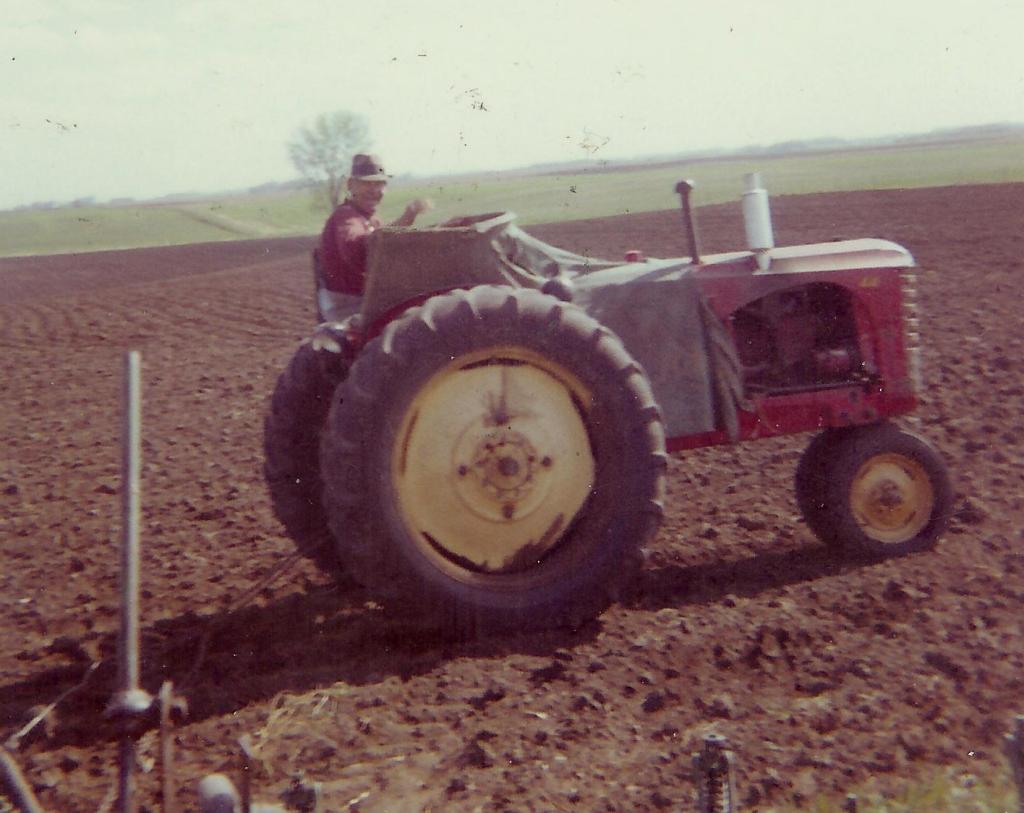
Our beloved ‘other grandpa’, Harry Bauman, on a Massey-Harris 44 tractor ‘dragging’ a field (a finishing process before planting). May of 1963.
A farmer boy, I’ll always be, Though years have separated, Farm and me.
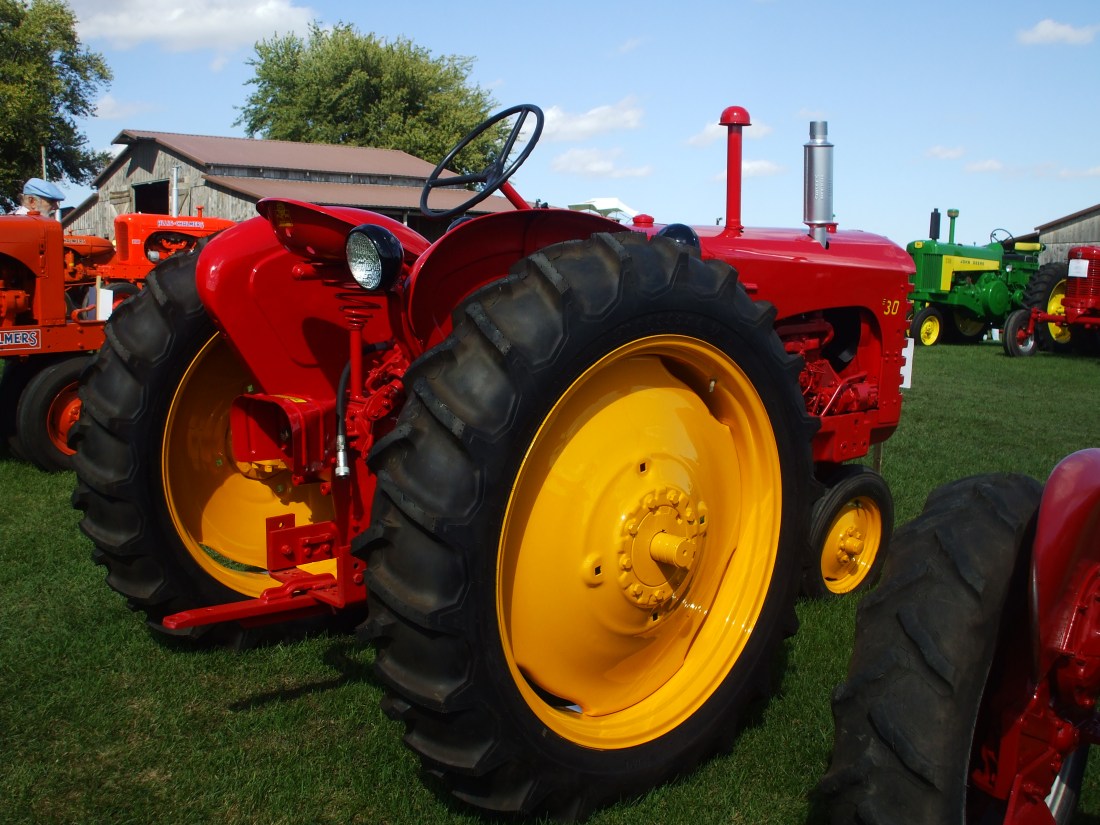
Just like this Massey-Harris here, One just like it, Held memories dear,
Our sweet “other grandpa”, Harry Bauman. Celebrating the end of World War II in late Summer of 1945.
Of sweet old neighbor, We called ‘Grandpa Harry’, Who’d help our dad, And then would tarry,
He’d have some supper, In our country kitchen, And laugh till his sides, Needed some stitchin’.
Yup, a farmer boy, I’ll always be, Just like ‘Grandpa Harry’, All filled with glee!!
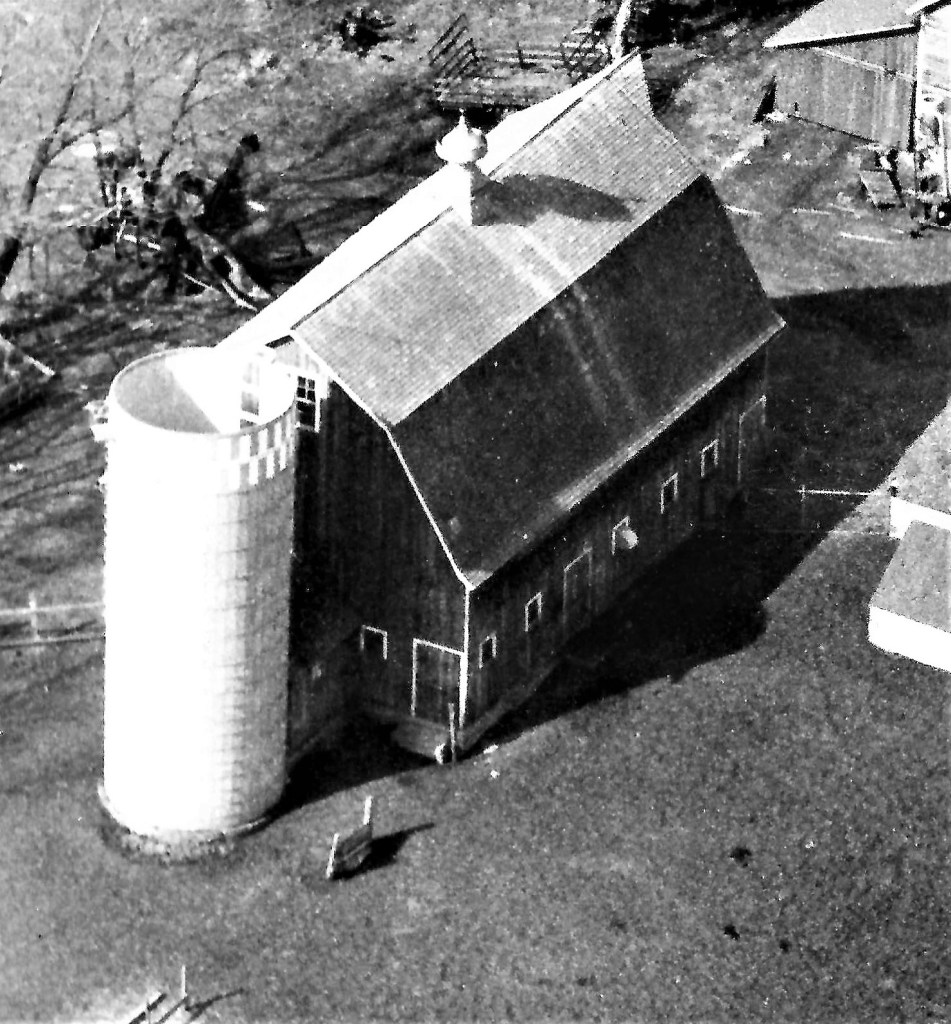
July 13th…….”WHAT WAS THE TALL ROUND THING NEXT TO YOUR FAMILY BARN THAT WE SAW IN SOME OLD PHOTO? WHAT WAS ITS PURPOSE ON YOUR FARM”??
Elliott’s silo and barn on their family farm three miles northwest of Kiester, MN.
That stationary sentinel stood sky-high and stoic in all of its immense concrete wonder!!! For well over three quarters of a century, our enormous silo stood in silent salute to seeing that generations of our animals had ground up corn safely stored up for them to eat during the harsh winters there on our family farm in south central Minnesota.
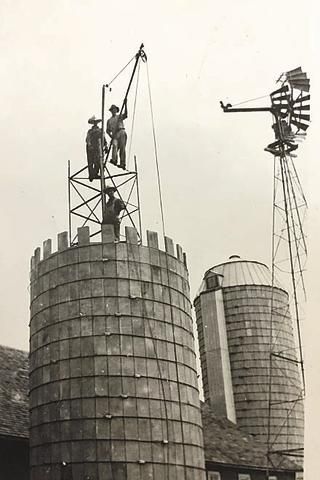
Workers building a new silo.
The very word, “silo”, itself comes from the ancient Greek language and stands for “a pit to store corn or grain”. Our handsome ‘pit’ was vertical in nature and had been built well before the turn of the century (before the year 1900) by an ingenious scaffolding and crane system that grew up in the center of the area what would be the new silo. Each vertical cement stave (“stave” is a long block of material) by cement stave was lifted to the edge of the silo and mortared in place. With each layer of staves settled into their destiny, a giant iron hoop would then be placed over the stave joints and a tightening turnbuckle was cranked down tight to reinforce each ‘story’ of the silo as it grew towards the sky. Some farms had domed roofs over their silos, but, for some reason lost to history, our silo was open to the sky.
A silo tunnel similar to the one that Elliott climbed to throw down silage for their cows.
To the north side of our silo was a vertical tunnel that encased numerous doors that doubled as ladder rungs for climbing to the very top of this dizzying ‘mountain’ of concrete. Being the little adventurer I was, at that young age, I loved climbing higher and higher in that tunnel of ladder/doors, while listening to the howling winter winds buffeting the protective tunnel that encased me at those wuthering heights. At the high, windy top of the silo, I would climb through the topmost open door and begin my daily task of using a large, twelve-tine silage fork to begin tossing down the chopped, green corn (that we called silage) to the far, far floor below of the barn’s Silage Room for feeding our animals that morning or evening.
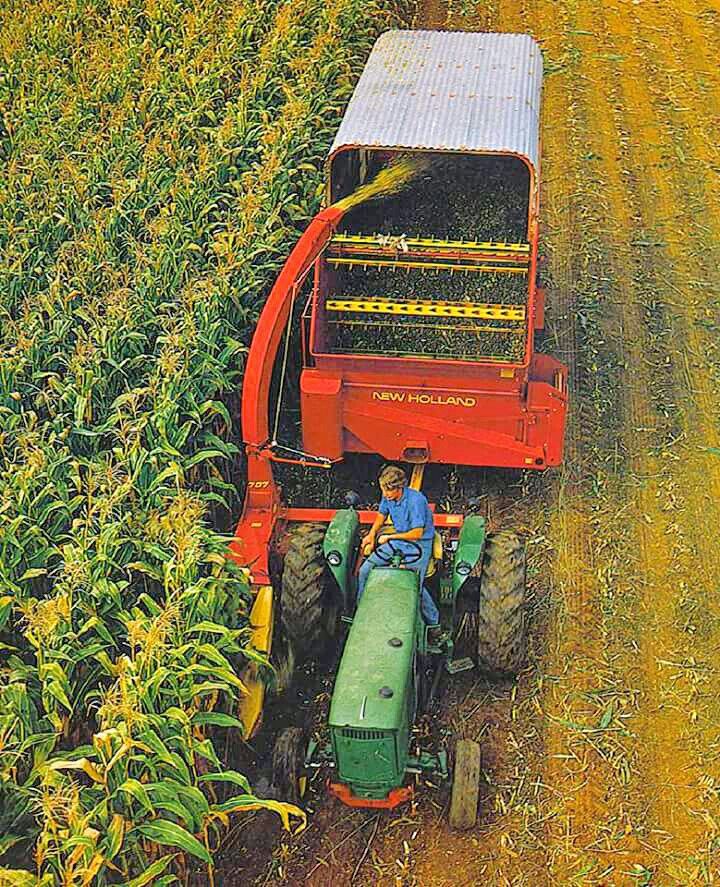
A Forage Harvester chopping corn into tiny little pieces to be stored in a silo.
Still turgid, in its chlorophyll-green glory, our father set aside a certain percentage of his corn crop each year for the purpose of creating this juicy, corn delight for his livestock to enjoy later in the frigid seasons that would be upon us in fall and winter. Since very few farmers could afford to purchase their own set of forage gathering equipment, our family would hire out this operation to one or more farmers who did have such mechanical wonders at their disposal. A pull-behind “Forage Harvester” (chopper) was hooked up to a tractor that drew this assembly down each corn row as it gobbled up cornstalks and chopped them into tiny pieces that was then fired into what’s called a “Silage Wagon”.
The “Silage Wagon” had a covered roof, for this fine material to stay in place, and, at the front, had two upper rows of churning teeth and a sideways conveyor belt that would be used to offload its green cargo when it arrived at the silo.
A silage wagon on the left and a forage blower on the right.
Back at the silo itself, there was a “Forage Blower” snuggled up to the wall of the silo with its cloud-reaching filler tube extended to the highest edge of the silo’s wall with a curved spout hooked over that edge and was now aimed down into the silo’s cavernous, empty tube hollow below. The blower, whose ‘Power-Take-Off’ (PTO) linkage arm was hooked up to a tractor was just waiting for the silage load to arrive.
Laboring up the incline to our yard, a tractor pulled it’s bulging, green load of cow yummies right up alongside the blower and dropped it’s side auger chute to the blower below. Someone aboard the ‘Blower Tractor’, brought the engine alive and pulled the engine throttle lever back to full speed. When the PTO clutch was engaged, the rotary fan blades inside the Forage Blower sounded like a jet engine revving up for ‘take off’!!! Next in line was the Silage Wagon’s PTO that was also engaged from its tractor and brought to life those churning teeth, the front conveyor belt and a forwarding conveyor system on the floor of the wagon that began to purge the wagon of her fragrant, green corn chips that augured nicely down into the blower and were flung up, up, up and over the top of our silo.
With every passing year, my little farmer boy body stood back in utter amazement and awe at the spectacle of power, ingenuity and creative mechanical genius that went into this farm operation that had been refined many times over, since the days of our forefather farmers in how to take green cornstalks, reduce them to a tiny size and shoot them sky-high into our handsome silo.
In the early winter evenings, with the silo at its full-to-the-brim capacity, I would ascend to the pinnacle of green silage silo ‘heaven’ and gaze over the top edge of the silo to drink in the serene scene of snow-whitened farmlands that stretched out for miles in the illuminating full moon that reflected off of those sleeping fields. Magical was the setting before my young farmer boy eyes to experience this beauty in an almost daylight illumination; even though stars winked at me from God’s glorious heaven above me. I laid there on my back for the longest time and saw the purest starlight that could bedazzle this very happy Norwegian Farmer’s Son!!
July 12th………..POEM – “Scourge Dee Urge”. Created by N. Elliott Noorlun.
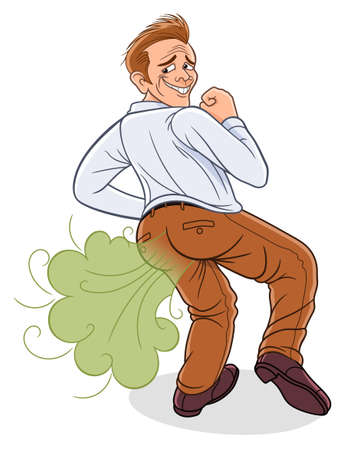
I can still hear my dear silly dad as he’d turn a social flumux to a case for laughter……..namely, the passing of gas. Sometimes, at our dinner table, he’d ‘let one go’ and then spin in his chair to blame the imaginary “Darn Dogs!!! How did they get in here”??!! 😉 Add to this fun, the flavor of the ‘broken English’ of our grandparent’s generation, with their Norwegian flavor of voice and you have today’s poem. Enjoy!
I vill try, Tew scourge dee urge, Tew purge myself of gas.
At leest ven vee’re in pooblic, Vere it seems tew bee most crass.
But sveetee pie, Even I, Moost let yew know dat I am huuman,
Und dat dis guy, Eefen dough I try, Can’t control vats in dair fumin’!!
So don’t expect, Dat trew dah years, I’ll alvays be high falootin’,
Cause, I’m yust me, Hoose happy und free, And soomtimes vit dat, Comes TOOTIN’!!! 😉
July 11th………...”IN YOUR GRADE SCHOOL DAYS, WERE YOU A “NEAT-NIK NED” OR A “SLOBBERY SLOVENLY SAM”???
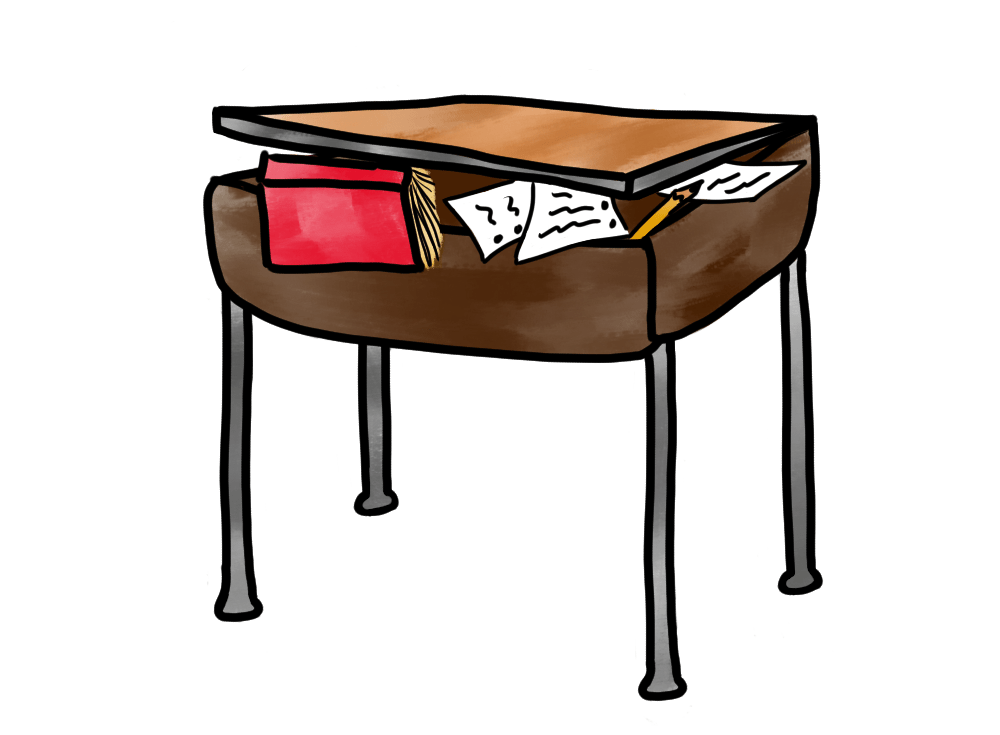
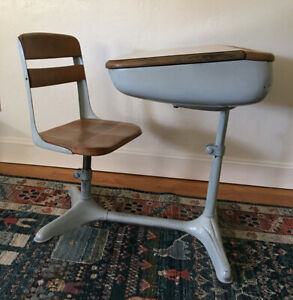
POEM – “Glee For Me”. Created by N. Elliott Noorlun. Not only did I love my 2nd Grade Teacher, Mrs. Baker, but I also loved being a Slobbery Slovenly Sam back in those school day years when it came to the textbook and paper mess under the lid of my classic old lift-top student desk.
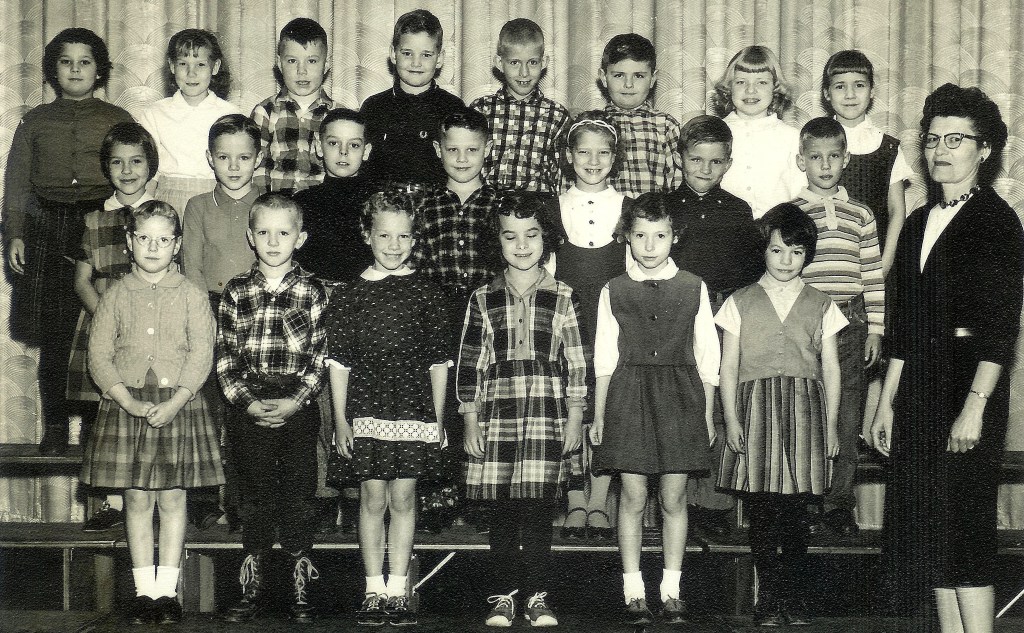
This is Elliott’s 2nd Grade Class Photo from the 1961-62 school year. Elliott is second row, second from right. Sweet Mrs. Marriam Baker was their teacher at Kiester Public School in Kiester, Minnesota.
Second Grade for me, Was a real blast, As I ponder that teaching, Time from my past!
Though messy I was, T’was a glee for me, When my teacher called out, Next textbook to see.
Mrs. Baker to the class, Said, “Bring out this book”!, I’d tell her, “Well, Teacher, I’ll try to look”!,
It was mashed inside, My desk of steel, So I’d have some fun, As I’d dig and feel,
While others had turned to, Page fifty three, I was still in there diggin’, Experiencing glee!
It’s not the destination, Far as I’m concerned, Who had the mostest FUN!, Was the ‘badge’ I earned!! 😉
July 10th…………“DID YOUR FATHER DO ANY FARMING WITH HORSES? DID HE HAVE NAMES FOR THEM? WHAT WAS ONE OPERATION HE USED THE HORSES FOR”??
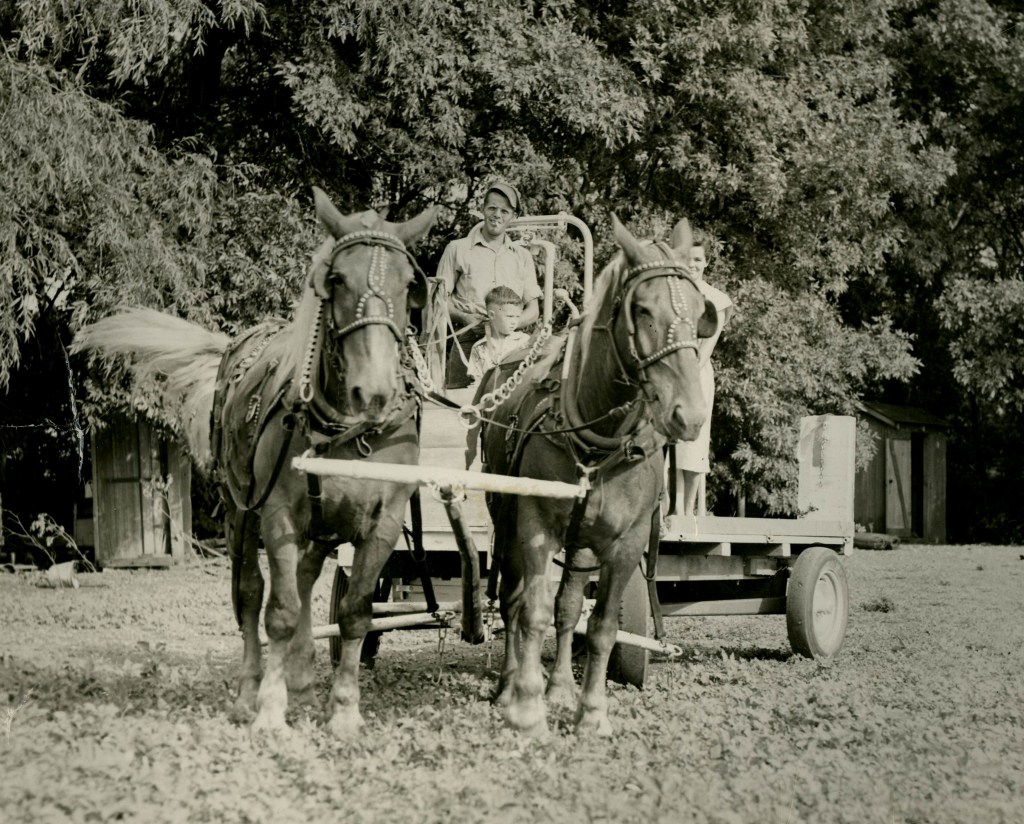
“King & Colonel” went from giving the Noorlun family a wagon ride, in this photo, to providing power to our father’s two-row corn planter.
With princely, patriarchal pandiculation, our handsome farmer father sat on the edge of his bed that morning yawning himself awake. Wiping the sleep from his eyes, Russ could hear the lovely sound of Mourning Doves out in our surrounding ‘wind break’ of trees. Their plaintive song of three or four descending “coos” filtered through the rustling curtains of our parent’s open bedroom window; allowing the Minnesota morning breezes to freshen our parents both fully awake.
Dad now heard his bride, Clarice, in the family Kitchen, next to their bedroom, getting some Folger’s coffee percolating to help them both approach another day there on our farm northwest of Kiester, Minnesota.
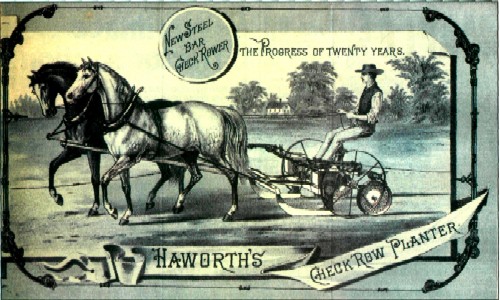
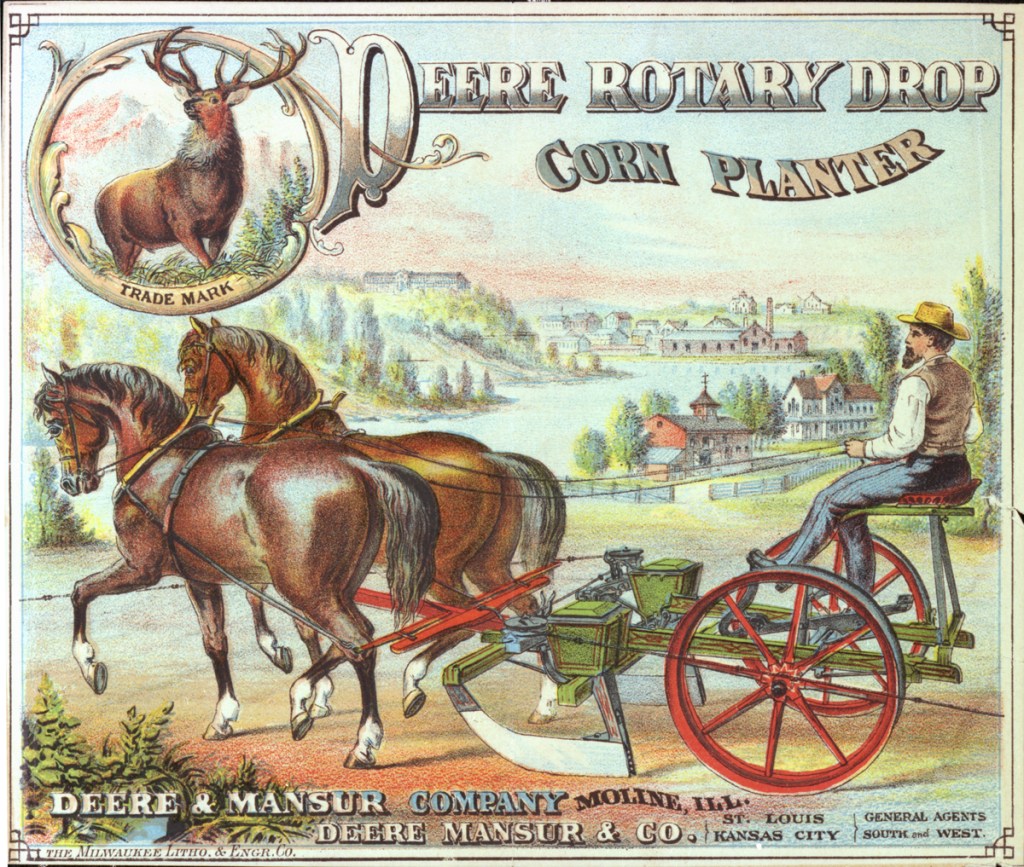
This was to be more than just an ordinary day in our rural livelihood, this was to be the day that our agrarian prince would take his handsome team of horses and hook them up to his two-row “Deere Rotary Drop Planter” (also known as a ‘check row’ planter) for planting our new corn crop.
Hand corn planter.
Although this device only planted two rows of corn at a time, it was still a major improvement over the old hand-operated corn planter of the days gone by.
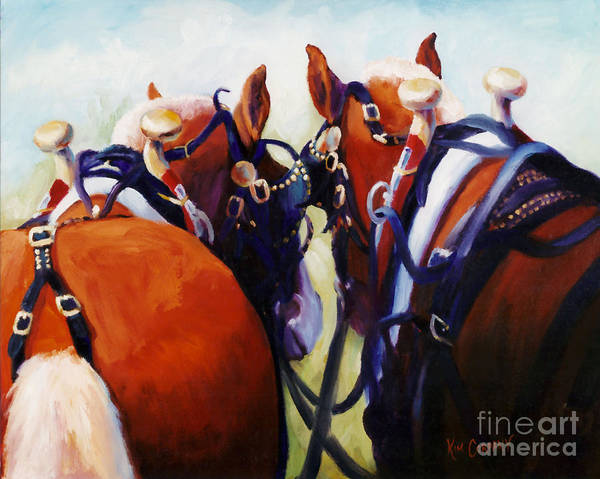
Handsome “King & Colonel” ready for that day’s farm work.
Our equine Belgian draft horse team of “King” and “Colonel” fluttered their soft, hirsute nostrils in greeting to Dad as he stepped into the barn that morning to see to their feeding while he mounted the fragrant leather harnessing onto their marbled, muscular backs.
With every rein threaded through its rings and every connecting clip snapped into place, it was time to take this muscled mass of horse flesh out of the barn and over to the corn planter to be hooked up and ready to work. Loose seed corn was now loaded into the two respective dispensing canisters onboard the planter and, with a gentle slap of the reins and an audial “GidUp!! King n Colonel”.…….the team was ‘driven’ by our father out to the field that needed to be planted.
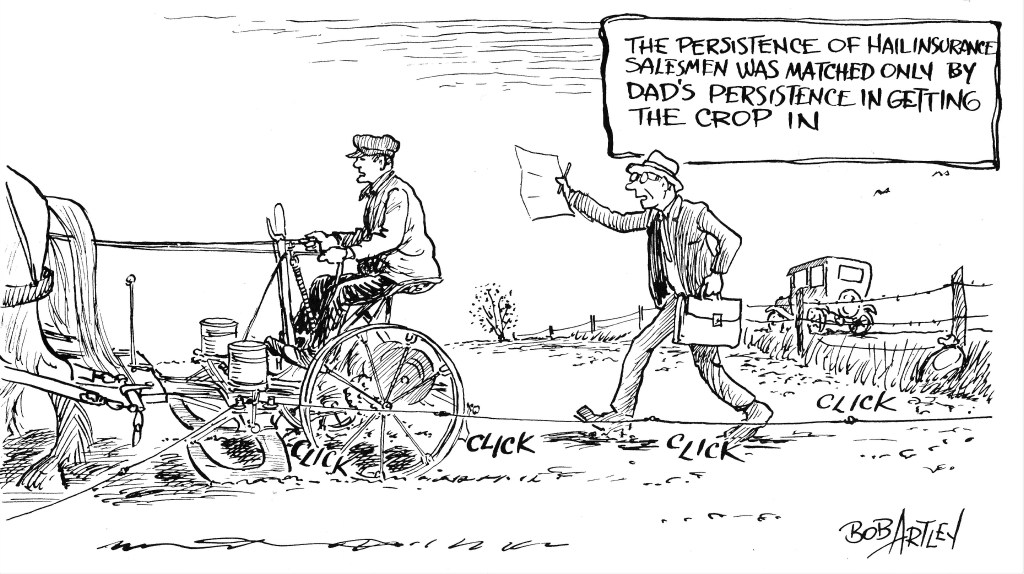
With each CLICK, another “hill” of corn was planted.
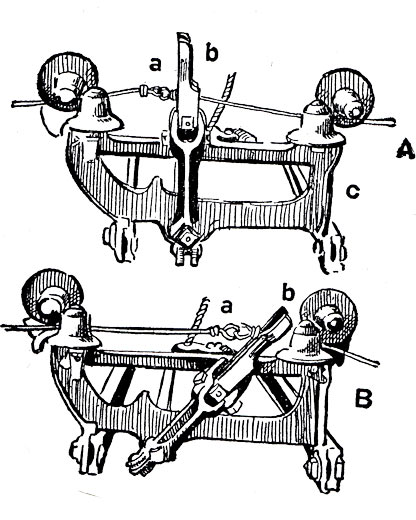
In the days before herbicides became chemically popular in agriculture, farmers found other ways to try to eliminate as many unwelcome weeds as possible from their fields. That’s what made this two-row planter, that Dad was using, special. Another descriptive term for this machine was a ‘Click Planter’ and here’s why. A large spool of wire, with a wire ‘knot’ tied every 40 inches, was played out for the length of the field you’re going to plant. The wire line was tethered, temporarily, by fence posts at each end of that row and then drawn taut. The wire ‘knot’ line was then fed through a special set of guidance wheels on the planter. During the planting operation, as each ‘knot’ came through the planter, a wire ‘knot’ would pull back a switch lever that opened the ‘gate’ of the planter’s dispensing canisters letting seed into the ground. As the ‘knot’ went up and over the switch lever, the spring-loaded lever would CLICK back into place, thus, with that sound, came the supplemental term ‘click planter’.
Elliott’s brother, Lowell, remembers hearing the “click, click, click” of our dad’s corn planter in the field.
With practice, upon completion of planting, the soon to emerge young corn plants were all now roughly 40 inches apart in all directions.
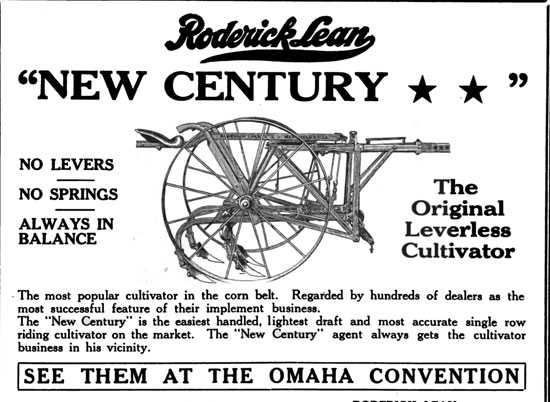
A two-row cultivator to keep out the weeds.
This way, when the young corn started its new life in our field, Dad could cultivate the weeds out of the field going north and south for one weeding pass. He then, could begin cultivating out the weeds with an east to west swathing that, at the end of the day, gave him a clean field of young corn, free from weeds. Planting and tilling the land was, without a doubt, hard work for our farmer father, but we were proud of Dad for his faithful tenacity in getting the job done for the entire family of this Norwegian Farmer’s Son. 😉
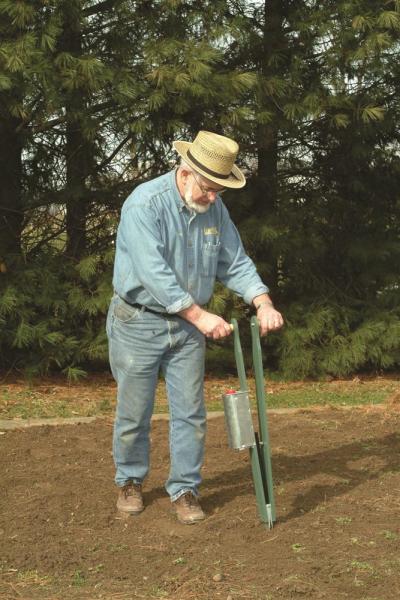
Can you see Elliott’s father, Russell, out in his corn field? 😉
July 9th…………POEM – “A Planting Seasoned With Grace”. Created by N. Elliott Noorlun.
Granted, I have a ‘Norman Rockwell’ outlook on the life God has given me and this is reflected in the stories and poems of my, overall, happy childhood during our farm days near Kiester, Minnesota.
In a grand sense, we are all ‘farmers’ in that we knowingly, or unknowingly, ‘plant seeds’ to those around us. Now, whether those ‘seeds’ produce a positive or negative ‘crop’ depends on the type of ‘seed’ planted. Was it something positive? Or negative? This poem shares my heart goal of whatever I ‘plant’, may it be seasoned with His Grace. ><> 😉
If you come to my page, To be sad or in shock,
Or become so darn angry, You’d ‘clean someone’s clock’,
You’ll need to move on, From my happy face place,
For I choose my speech, To be seasoned with Grace.
Some folks seem to think, It’s their duty and chore,
To fill our eyesight, With such anger and gore,
Yet, none of it builds, And can never replace,
The beauty of love, That is seasoned with Grace.
I acquiesce, That there’s sadness around,
Just flip on the NEWS, Where it’s quick to be found,
But I’d rather ‘plant’, A smile on your face,
With stories and kindness, That are seasoned with Grace!!! ><> 😉































 Norwegian Farmer's Son